Rug Cleaning Lyddington
Oriental Rug Spa offer a specialist Persian, Oriental and Turkish rug cleaning for Lyddington, Rutland. We also offer a rug repair service. If you own a dirty or soiled rug that needs professional cleaning, then why not give us a call on 01276 423 150. We can arrange collection and delivery for you. The rug wash process required can differ from rug to rug, so we offer various methods of rug cleaning, from full immersion washing to dry cleaning. All rug fibres can be cared for – wool, cotton, silk and viscose. We can carry out a pet stain and odour treatment, moth treatment and apply a fibre protection to resist against soiling and staining. We have extensive experience with cleaning antique rugs and rugs with unstable dyes and offer a rug repair service, including fringes, sides and pile reweaving.
Persian Hamadan Rugs
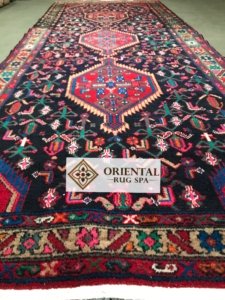
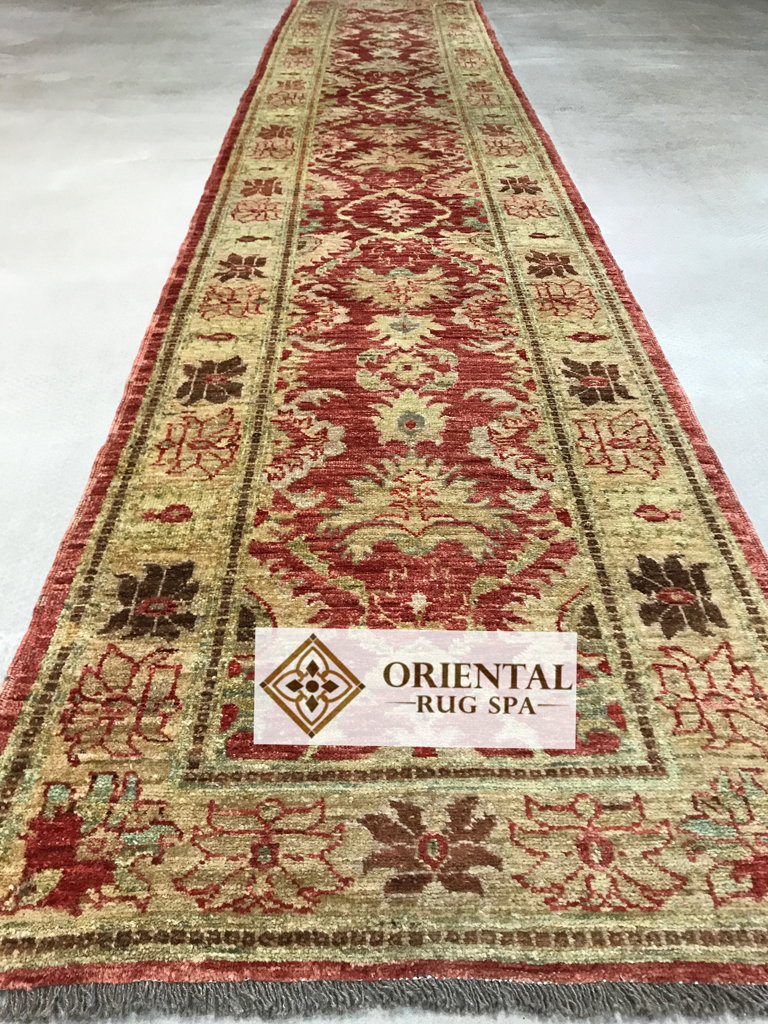
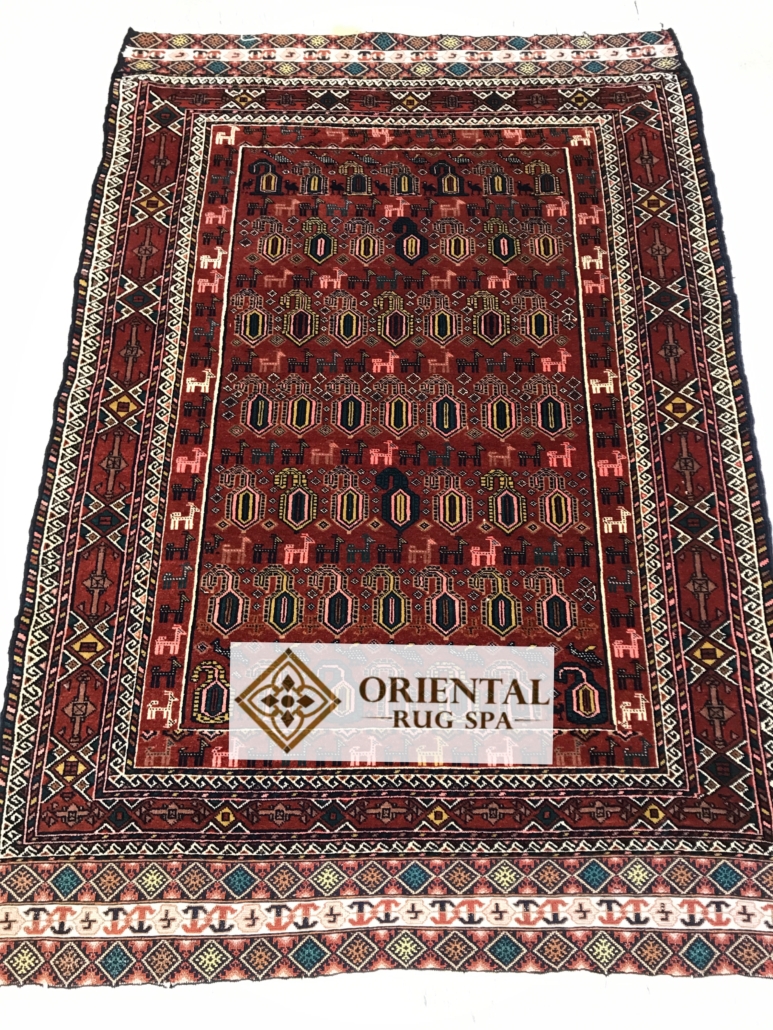
Persian Hamadan Runner
The Rich History of Persian Hamadan Rugs
Persian Hamadan rugs represent one of the most enduring traditions in Iranian carpet weaving, with a heritage stretching back centuries in the ancient city of Hamadan and its surrounding villages in western Iran.
Origins and Historical Significance
Hamadan, one of Iran’s oldest cities, has been a centre of rug production since at least the Safavid period (1501-1736). The region’s strategic location along historic trade routes helped establish it as a major hub for carpet commerce, with weavers developing distinctive techniques passed down through generations.
Unlike the fine urban workshop productions of cities like Tabriz or Isfahan, Hamadan rugs are traditionally village and tribal weavings, created by Kurdish, Luri, and other ethnic groups inhabiting the mountainous regions around the city. This cottage industry approach gave Hamadan carpets their characteristic rustic charm and robust construction.
Distinctive Characteristics
Hamadan rugs are renowned for their durability and geometric designs. Weavers traditionally use a single-weft construction technique, creating dense, hard-wearing carpets suited to high-traffic areas. The foundation is typically cotton, whilst the pile uses high-quality wool, often combined with camel hair in older examples.
Common design elements include the herati pattern (a diamond with curved leaves), bold geometric medallions, and stylised floral motifs. The colour palette traditionally features rich reds, deep blues, ivory, and warm earth tones derived from natural dyes.
Commercial Development
By the late 19th and early 20th centuries, Hamadan had become one of Persia’s largest rug-producing regions, with thousands of village weavers supplying carpets to Western markets. The city served as a collection point where merchants would gather rugs from hundreds of surrounding villages, each with its own weaving traditions.
Today, authentic Persian Hamadan rugs remain highly sought after by collectors and interior designers for their combination of affordability, durability, and traditional Persian craftsmanship.


Extremely pleased with the result and would happily use them again.


They were 19 years old and a little flat and slightly stained.
They came back totally renewed. The pile was lifted and
colours restored. I would recommend this Rug Spa.