Rug Cleaning Thringstone
Oriental Rug Spa offer a specialist Persian, Oriental and Turkish rug cleaning for Thringstone, Leicestershire. We also offer a rug repair service. If you own a dirty or soiled rug that needs professional cleaning, then why not give us a call on 01276 423 150. We can arrange collection and delivery for you. The rug wash process required can differ from rug to rug, so we offer various methods of rug cleaning, from full immersion washing to dry cleaning. All rug fibres can be cared for – wool, cotton, silk and viscose. We can carry out a pet stain and odour treatment, moth treatment and apply a fibre protection to resist against soiling and staining. We have extensive experience with cleaning antique rugs and rugs with unstable dyes and offer a rug repair service, including fringes, sides and pile reweaving.
Turkish Dosemealti
Turkish Dosemealti
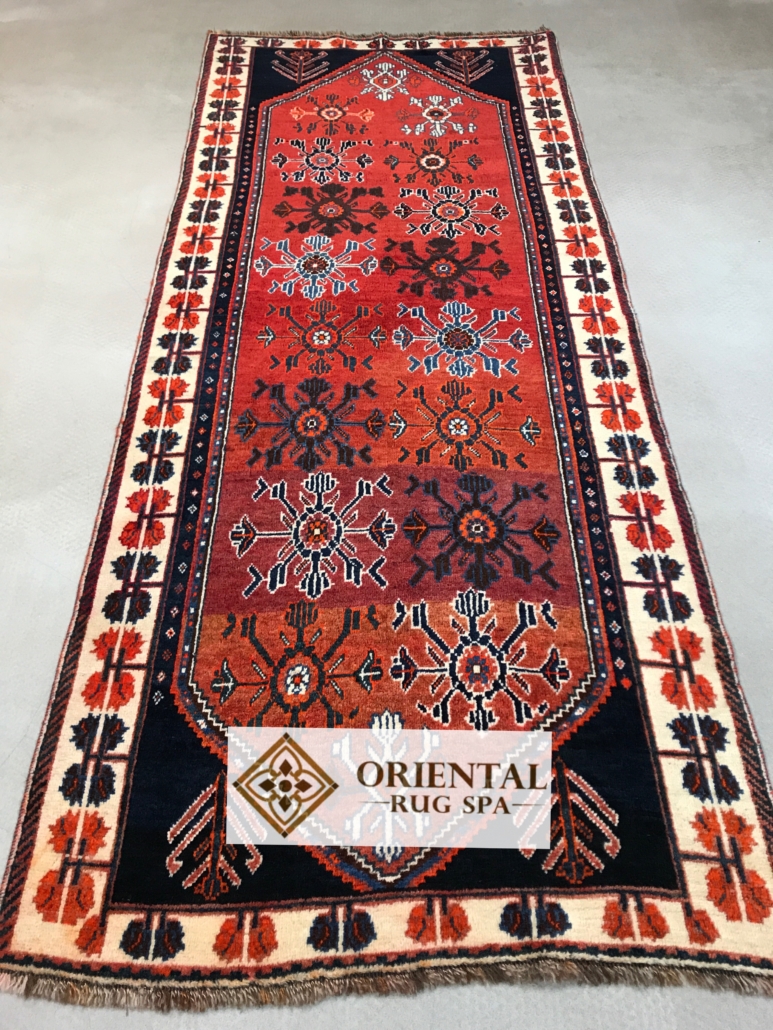
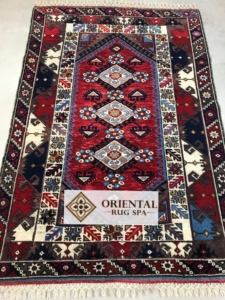
Döşemealtı rugs are a distinctive type of Turkish carpet that originated in the Döşemealtı district near Antalya in southwestern Turkey. These rugs are part of the broader Anatolian rug-weaving tradition and have their own recognisable characteristics.
Design and Appearance
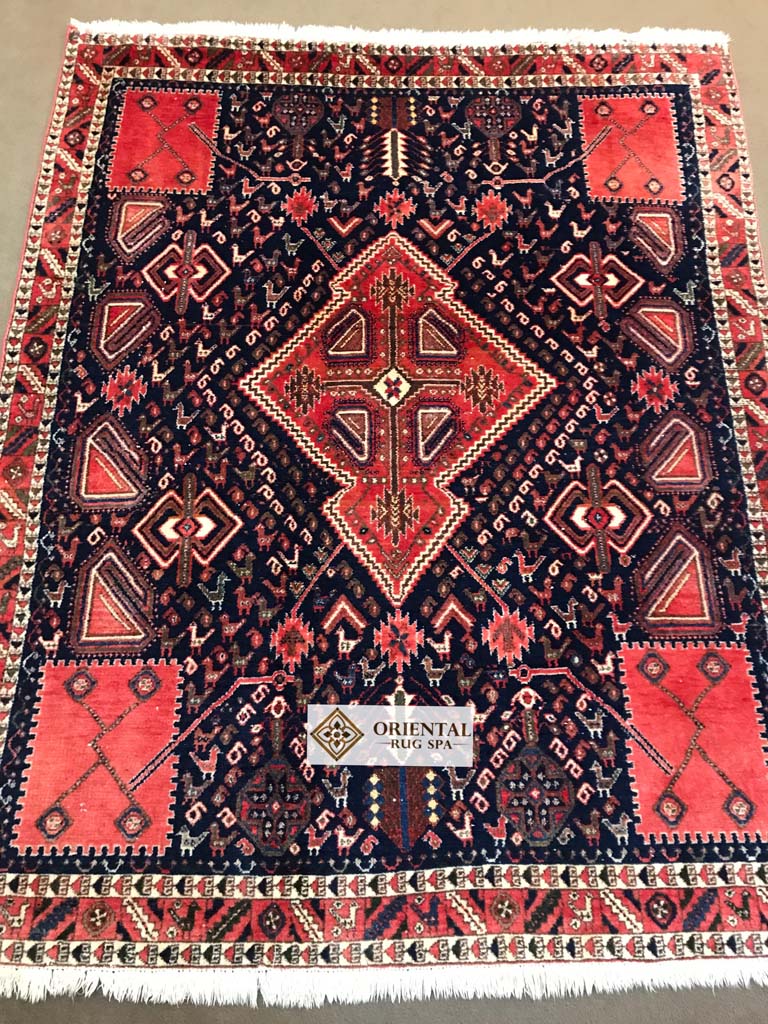
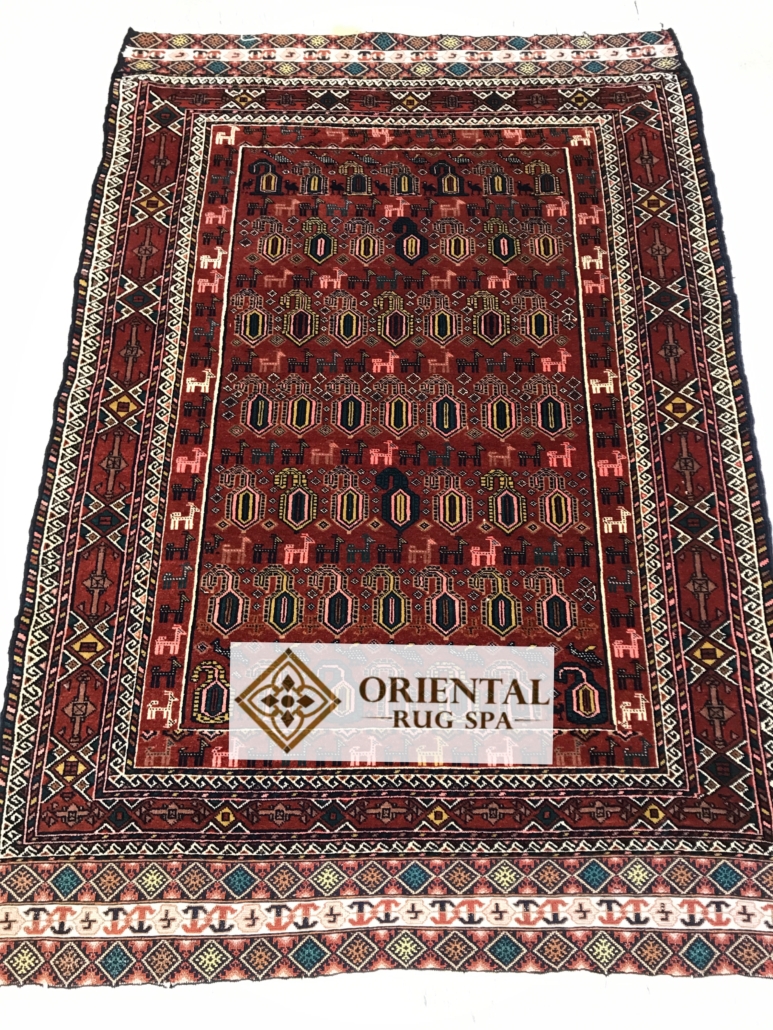
Döşemealtı rugs typically feature bold, geometric patterns with a somewhat primitive or tribal aesthetic. They’re known for their striking colour palettes, often incorporating rich reds, deep blues, and warm earth tones. The designs frequently include angular motifs, stylised animals, and geometric medallions that reflect the region’s cultural heritage.
Construction
These rugs are traditionally handwoven using wool on wool foundations, though you’ll sometimes find cotton warps in later examples. The pile is usually cut relatively short to medium length, and the knotting technique employed is typically the symmetrical Turkish (Ghiordes) knot. The weaving tends to be somewhat coarser than finer Turkish carpets, which contributes to their rustic, robust character.
Cultural Significance
Döşemealtı rugs represent an important part of Turkey’s village weaving tradition. Historically, they were woven by local women for domestic use rather than commercial production, though this has changed over time. Each rug carries elements of the weaver’s personal expression within the framework of traditional designs passed down through generations.
Today, these rugs are appreciated by collectors for their authentic folk art qualities and strong visual impact, though they’re perhaps less well-known internationally than some other Turkish rug types like Hereke or Oushak carpets.


Extremely pleased with the result and would happily use them again.


They were 19 years old and a little flat and slightly stained.
They came back totally renewed. The pile was lifted and
colours restored. I would recommend this Rug Spa.